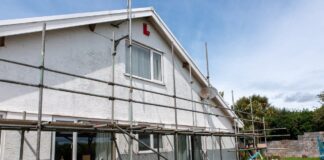

Looking for a way to update the look of your home? Timber cladding is fast becoming one of the most popular ways to update the look of your home and give it a unique feel. There’s lots of reasons why you’d want to use it, as it’s such a versatile cladding method. Here’s everything you need to know about timber cladding and your home.
Benefits Of External Timber Cladding
Why consider timber cladding in the first place? There’s actually lots of different reasons why you’d want to use it. Here are some benefits to consider.
Excellent looks: There’s no denying that timber cladding looks great on your home. If you live somewhere with a lot of nature, it helps your home blend in with the environment. If you live in an urban area, you can still use it. In fact, it’s a great way to bring something more natural into a man-made environment. If you want your home to look great, this is what you want.
Sustainability: These days, home owners are looking to make their home improvement projects more sustainable. There are lots of ways you can update your home in an environmentally friendly way, and timber cladding is just one of those ways. Timber is a naturally occurring material, and it’s also carbon neutral. You can pick cladding from sustainable timber providers, and ensure you’re taking care of the environment.
Longevity: Some feel that timber won’t last that long when you attach it to your home, but they’d be wrong. If you use the right products and attach it carefully, then that timber cladding can last anywhere from 40 to 60 years. That’s a pretty incredible lifespan, and you can be sure your home will look great for decades to come.
Timber allows you to be creative: When using timber, you’re not restricted to just using strips or planks of wood. You can all kinds of cuts to create a look that’s all your own. For example, many homeowners are using timber shingles to clad their homes.
Natural changes over time: Something interesting about timber cladding is that it will change over time. You’ll see it weather naturally, gaining a grey sheen. Many like to see the changes in t5he cladding, in the same way you’d see a copper roof change colour. Of course, there are options for those who don’t want the wood to weather as fast.
More durable than you’d think: As you’ve seen, timber cladding lasts for longer than you’d expect it to. When properly installed it can stand up against cold, rain, and wind. It can be treated to slow down the degradation of the woof. You can even choose wood from trees that grow in harsher environments, making the cladding even tougher.
A modern choice: Timber cladding is becoming more and more popular for modern homes. It’s a favourite with architects right now, and it’s not hard to see why. With so many options available to you, you’ll be able to get a cladding design that makes your home look amazing.
Picking The Right Timber
Are you convinced that timber cladding is for you? Then firstly, you’ll need to pick the right timber for your home. There’s a huge range on offer, and there’s different varieties that will suit different areas. Which one works for you?
Larch: This is a popular option for cladding, as it’s a softwood that doesn’t require any regular treatment to keep it in good condition. You can pick larch species that are more suited to colder or harsher climates, such as the Siberian Larch. That makes the timber much more resistant than other timbers out there.
Scots Pine: This is also known as European Redwood, and is another popular choice. It’s usually imported from Scandinavia, and is used both internally and externally. It’s easy to treat against rot and decay, so it can last for decades on your property. Exactly where the wood is grown will affect the look of it, so you can get a unique style of cladding with this timber.
Sweet Chestnut: If you’re looking for a wood that’s grown in the UK, this is the one for you. Being locally grown, it’s going to be a lot more environmentally friendly than other options out there. It’s also eco-friendly because it has a quicker growth cycle, so it’s much easier to replenish.
Western Red Cedar: This cladding is usually grown in Canada, but due to increased demand you’ll actually find it grown in the UK too. It’s one of the most lightweight timbers out there, making it very easy to work with. It also has a natural resistance to decay, which is very useful.
That’s a small selection of the timbers that are out there. You can shop around and find one that’s perfect for your needs.
The Parts Of Your Timber Cladding
Before you go ahead and start installing your timber cladding, you’ll need to ensure you have all the right parts. Here’s what you’ll need to have before you can get started.
Battens: These are what will support the cladding on the side of your house. They have to be treated with a preservative first, before you attach them. They’ll also need to be structurally graded, in order to support the weight of the timber.
Any battens you use must be at least 20mm deep. This creates a cavity between the wall and the cladding, which makes it easy for moisture to escape. Because of this, the inside and outside of the cladding will have similar moisture contents, so there will be minimal movement.
Horizontal boards: These will be mounted onto the vertical battens, and care must be taken to ensure that they are affixed properly.
Vertical boards: These boards are attached to the horizontal battens, and they will require vertical counter battens to allow for drainage. This again protects against moisture and stops decay.
Treating Your Timber
Before the timber is attached to your home, you’ll need to ensure its treated first. The right treatment will ensure that the wood won’t rot or decay, so you can get the full lifespan of the material. Remember, even if it’s treated you’ll need to keep an eye on it, and ensure that no other problems arise.
The wood also needs to be acclimatised before you can install it, too. Timber will swell and shrink as it gain and loses water content, depending on the surrounding environment. Any timber you’re hoping to use will need to be acclimatised to the environment around your home so it can reach an equilibrium, before you attach it to the walls.
How To Affix Cladding
Now you have all the parts, you’re ready to affix the cladding to your house. Here’s how you’ll do it.
The battens must be attached to the wall first, at a distance of around 600mm apart, to ensure the boards get the best support.
Once this done, you’ll be ready to attach the cladding. The way you do this will depend on the wood style that you’ve chosen. If you’re using tongue and groove, for example, the grooves must be faced down so they won’t hold water. If you have sapwood, it should be placed at the rear of the cladding to maintain durability.
You’ll need to pay close attention to the fasteners you use, as they can be affected by the wood you’re using. For example, if you’re using sweet chestnut, this wood has a high tannin content. This will corrode certain metals so you’ll want to use stainless steel or galvanised nails to get the best results.
If you’re using a heavier wood, like oak or ash, then you should use screws. These need to be 2.5 times the thickness of the boards, and countersunk to give the wood a smooth finish. You can also use washers in order to support green wood.
Project Management During The Cladding Process
Before you start working with the timber, check it over. You want to ensure you have the right amount of timber, so you don’t get to the end of the project and realise that you’re a few planks short. Check this beforehand, so everything can be installed in one go. This is also important as if you have the right amount of wood, it will all have the same look and feel. If you have to order more wood and attach it later on, it’s going to stand out.
As you’re working on the cladding, you’ll need to consider where you’ll store it too. It needs to be kept somewhere dry, out of the major elements. Remember, if it gets wet it’s going to change the shape of the wood, and that will affect the way you use it. You’ll also need to ensure it stays out of direct sunlight.
Always have a plan in place before you start cladding. This helps you order the right timber, and everyone will know what to do. You don’t want to get halfway through and have to make changes because something came up.
Install Yourself Or Call The Experts?
When considering timber cladding, you may be tempted to do it yourself. If you’re very handy at DIY, or you just want to save some cash, it could be just the way to get it done. However, you have to be very confident in DIY if you’re going to try and pull this off. If you are, then you can go ahead and take on this project yourself.
In most cases though, you’ll find that it’s better to call professionals to help you. If you do this, there are several benefits to using them. Firstly, they will have years of experience in the field. Because of this, they’ll be able to affix cladding quickly and easily. They’ll also be able to answer any questions you have about the cladding, so you’ll have all the info you need to get started.
This choice is very much up to you, but you’ll need to consider the benefits of each side before making a decision. The DIY route will save you money, but using professionals will give you some expertise behind the project.
How To Maintain Timber Cladding
Once the timber gladding is in place, it will need maintenance to keep it in top condition. Firstly, you’ll need to regularly inspect it to see if there are any issues. You’ll be looking for things like mould or algae forming on the wood, changes in size and shape, and inconsistent weathering. If your timber was installed by a professional, then you shouldn’t come across too many problems. However, if you do find something you can always ask for professional help to put things right.
It’s a good idea to clean your cladding on a regular basis, to stop mould and algae forming. These will ruin the look of your wood, as well as allowing it to hold more water. That, in turn, will allow the wood to move and warp which creates its own issues.
To clean the cladding, the best method is to use a power washer. This is quicker than most other methods, and much less invasive. You’ll be amazed at how much dirt and debris you’ll be able to clean away with this method.
Some woods will need to be treated periodically, to stop decay and rot. In the vast majority of cases, that treatment should happen before the wood is affixed to your home. When you’re having it installed, ask the installers what you’ll need to do to keep it in good condition.